Sintered Stone :
The Superior Choice for Cruise Ship Applications
When selecting materials for cruise ship interiors, the demands are unlike any other environment. Ships face extreme conditions including saltwater exposure, high humidity, constant vibration, heavy passenger traffic, and stringent marine safety regulations. Sintered stone emerges as the clear winner over traditional stone materials like marble and granite, offering unparalleled performance, safety, and operational benefits specifically designed for the marine environment.
Sintered Stone: The Marine-Engineered Solution
1. Unmatched Durability in Marine Conditions
Superior Performance Metrics:
- Heat resistance up to 300°C (572°F) - Far exceeding cruise ship operational requirements
- Non-porous surface (0.1% absorption rate) vs. marble's 0.8% absorption
- Scratch and impact resistant - Withstands heavy luggage, equipment, and high-traffic use
- UV and salt-water resistant - No degradation from marine exposure
- Traditional marble and granite simply cannot match these performance standards in marine environments.
2. Critical Weight Advantages
Fuel Efficiency & Stability Benefits:
- Sintered stone weighs only 1/3 of traditional granite/marble
- Granite/marble: 18-22 lbs per square foot
- Sintered stone: As low as 4-7 lbs per square foot
- Reduced fuel consumption through lower vessel weight
- Improved stability and weight distribution
- Easier installation with reduced structural support requirements
3. Marine Safety Compliance
Meeting Critical Safety Standards:
- Fire-resistant properties that can meet FTP Code requirements
- Non-toxic composition - No crystalline silica health risks for crew
- Non-slip surface options available for safety areas
- Hygienic non-porous surface prevents bacterial growth
- Easy to meet SOLAS fire safety regulations
- Traditional natural stones often require additional treatments to meet marine safety standards.
4. Minimal Maintenance = Maximum Operational Efficiency
Operational Cost Savings:
- No sealing required (unlike marble that needs regular sealing)
- Simple cleaning protocol - Standard cleaners won't damage surface
- Stain-proof performance - Wine, coffee, oils won't penetrate
- No restoration needed - Maintains appearance throughout vessel life
- Reduces maintenance crew workload significantly
- Marble requires specialized cleaning products, regular sealing, and professional restoration - impractical during voyages.
Competitive Analysis: Sintered Stone vs. Traditional Stones
Marble: Beautiful but Problematic for Marine Use
- Porous surface absorbs moisture, leading to staining and bacterial growth
- Requires regular sealing - Impossible to maintain properly at sea
- Etches from acidic substances - Common with food/beverage service
- Heavy weight increases fuel consumption and structural requirements
- Difficult to repair at sea when damage occurs
- Variable quality - Each slab differs, creating installation challenges
Granite: Durable but Dated for Modern Cruise Design
- Extremely heavy - Maximum fuel efficiency impact
- Limited design flexibility - Natural variations create aesthetic inconsistencies
- Porous surface requires maintenance protocols
- Cold, institutional appearance - Doesn't meet modern luxury expectations
- Installation complexity - Heavy equipment needed for handling
Sintered Stone: Marine-Optimized Performance
- Non-porous surface - Zero maintenance, maximum hygiene
- Lightweight design - Reduced fuel costs, easier installation
- Consistent aesthetics - Reliable design outcomes across entire vessel
- Superior durability - Withstands marine environment without degradation
- Design flexibility - Can replicate any natural stone appearance
- Fire safety compliance - Meets marine safety requirements
- Long-term value - No replacement needed during vessel lifetime
Real-World Marine Applications
Proven Performance Areas:
- Main dining rooms - Withstands intensive food service operations
- Buffet areas - Easy cleaning, stain-proof surface for high-volume service
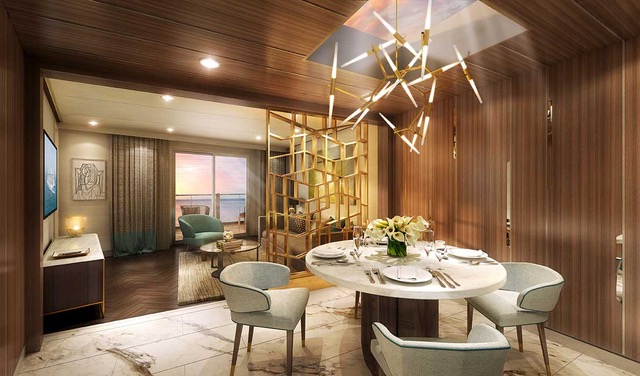
- Luxury suites - Elegant appearance without maintenance concerns
- Spa and wellness areas - Hygienic, water-resistant surfaces
- Outdoor deck areas - UV-resistant, weather-proof performance
- Casino floors - Durable surface for 24/7 operations
Financial Impact Analysis
Initial Investment Comparison
Operational Savings Over Vessel Lifetime
- Reduced fuel consumption from lower weight
- Eliminated maintenance costs (sealing, restoration, replacement)
- Reduced cleaning supply costs (standard cleaners vs. specialized marble products)
- Lower labor costs for maintenance crews
- Zero replacement costs during vessel operational life
- Reduced insurance costs through improved safety compliance
- Risk Mitigation Value
- No service interruptions for maintenance or repairs
- Consistent passenger experience without appearance degradation
- Regulatory compliance assurance for safety inspections
- Reduced liability from slip/bacterial hazards
- Environmental and Sustainability Benefits
Corporate Responsibility Advantages
- Eco-friendly manufacturing process using natural minerals
- Recyclable at end of life - Crushed and reused for new products
- No quarrying environmental impact like natural stone extraction
- Reduced carbon footprint through lower vessel weight and fuel consumption
- LEED contribution potential for sustainable vessel certification
Installation and Design Flexibility
Marine Installation Advantages:
- Lighter weight reduces crane requirements during dry dock
- Consistent sizing eliminates measurement variables
- Flexible cutting allows complex design implementations
- Multiple finish options from matte to high-gloss
- Large format availability reduces seam requirements
- Color consistency ensures uniform appearance throughout vessel
- Quality Assurance and Certification
Marine-Grade Standards:
- ISO certification for quality management systems
- Fire safety testing for marine environment compliance
- Slip-resistance certification for passenger safety areas
- Hygienic surface certification for food service areas
- Environmental impact certification for sustainable operations
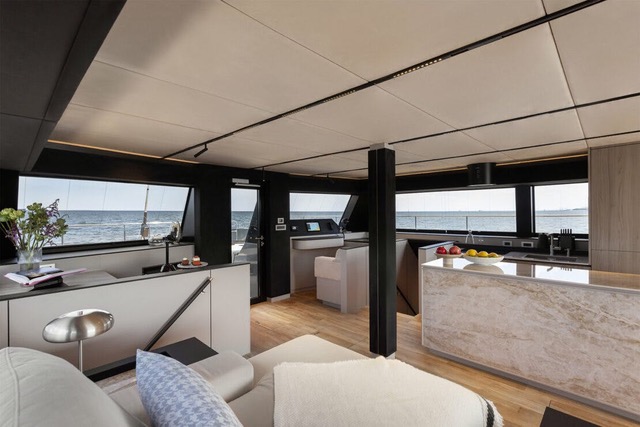
Conclusion: The Clear Choice for Modern Cruise Operations
Key Decision Factors
- Safety First: Only sintered stone consistently meets marine fire safety requirements without additional treatments
- Operational Efficiency: Zero-maintenance requirements eliminate service disruptions and reduce operational costs
- Financial Performance: Lower total cost of ownership through reduced fuel consumption, maintenance, and replacement costs
- Design Excellence: Consistent quality and unlimited design flexibility create superior passenger experiences
- Environmental Responsibility: Sustainable manufacturing and operation align with industry environmental goals
For cruise ship operators committed to safety, efficiency, and passenger satisfaction, sintered stone isn’t just an alternative to traditional stone materials – it’s the superior solution specifically designed for marine applications.